 |
|
| 芸術家横丁"Side
Alley of Artist" [Photos taken on May 3, 2004] |
| 2004年5月3日、午前中、小雨が降りましたが、午後には雨が上がり、自宅から徒歩約5分 の所にある芸術家横丁へ行って来ました。(年2回この横丁はオープンされる)。 屋外ではダンスや和太鼓のパフォーマンスや「遊仁魂(ゆにこん)窯」で焼いたピザの 販売が行われ、屋内では琴、尺八、ハープ、フルート、ハーモニカ等の演奏(ジョイント演奏もあり) 、陶芸作品や和紙工芸作品の展示等が行われていました。展示も良いですが, 演奏などの アトラクションが特に気に入りました。 小生は瀬戸の子供和太鼓「こまいぬ座」(年齢制限:小学生まで)の大ファンです。 以前、この「こまいぬ座」のメンバーだった子供(現在、中学生か高校生)が、今日の和太鼓の演奏 に加わっていたような気がしました。太鼓は身体に振動が伝わるので、心身に良いかもしれません。 It drizzled in the morning on May 3, 2004, but rain stopped in the afternoon. I went to an "Side Alley of Artist" located about 5 minutes walk from my house (This alley is opened twice per year.). Outdoors, the performance of a dance and a drum was performed, and pizza burned by kiln named "Yunikon" (literally translated into "play-charity-soul") was being sold. Indoors, the performance of a koto, a shakuhachi (vertical bamboo flute), a harp, a flute, a harmonica, etc. was performed (joint performance of them was also performed). Ceramic art work or Japanese paper technical work (craft products) etc. was exhibited. Although exhibition was good, I was pleased in attractions, such as a performance.. I am the great fan of drum-beating performance by "Komainuza" (drum performance group consisting of children (age limit: up to primary schoolchildren). |
| <下記は2004年5月3日付け中日新聞なごや東版より引用> 工場の空きスペースを芸術家たちの創作活動に活用している瀬戸市下陣屋町 、愛知製陶所内の「芸術家横丁」で、5月2日、5月まつりが始まった。 作家らが手がけた作品の展示、工場内での演奏発表や茶会などがあり、 にぎわいをみせている。5月3日まで。 「芸術家横丁」は3年前に発足し、現在は10人程度の作家が制作に 取り組んでいる。祭りは、作家たちの企画、運営で年2回開いている。 会場には、和紙工芸や陶芸、金属造形などの作品を、ゆとりのある配置で展示。 不要となったれんがなどで2004年4月に完成させた「遊仁魂(ゆにこん)窯」が 披露され、窯で焼成した作品のオークションも行われた。 ガス窯を改造した茶室でのお点前や管楽器、太鼓の演奏などもあり、来場者は 年季の入った工場独特の雰囲気の中での催しを満喫していた。 会場近くの同市安戸町では、瀬戸を題材にした作品を数多く残した洋画家・ 故北川民次氏のアトリエも公開されている。 <The following is quoted from East Nagoya version of newspaper issued by The Chunichi Shimbun on May 3, 2004> The "Side Alley of Artist" is utilizing the empty space of a factory of Aichi Seitojo (Aichi Pottery Co., Seto City) for artists' creative activity. At the Side Alley of Artist, May Festival was hold on May 2 and 3, 2004. In the factory, many pieces of work made by ceramic artists were exhibited, concerts were performed and tea ceremony party was held. The Side Alley of Artist was organized three years ago, and about ten artists are tackling work now. The festival is opened twice per year by a plan and management of the artists. Works, such as a Japanese paper craft, ceramic art, and metal molding, were exhibited in spacious site of this May Festival. The "Yunikon" kiln" completed in April, 2004 with the brick which became unnecessary was introduced. The works fired by the kiln were sold at auction. Tea-serving manners in a tearoom which converted gas kiln and a performance of wind instruments and drums was performed. The visitor was enjoying fully the event in an atmosphere peculiar to an experienced factory. Near the site. the atelier of the late Mr. Tamiji Kitagawa who was the oil painter who left many works dealing with Seto was also exhibited. |
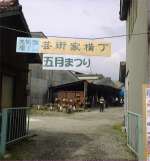
| 芸術家横丁への入口 Entrance to "Side Alley of Artist" |
 |
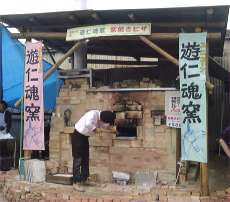
| 遊仁魂窯"Yunikon"
kiln (今日はピザが焼かれている) (Pizza is burned today) |
 |
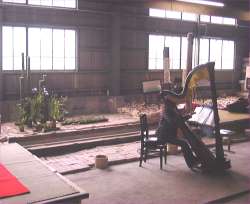
| 工場でのハープ演奏Harp
performance at factory ガス窯を改造した茶室でのお点前が左側で行われている Tea is served in a tearoom converted from gas kiln |
 |
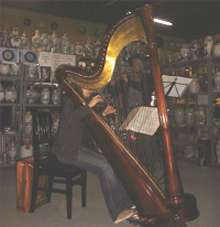
| 販売スペースでのハープ演奏Harp performance at selling space ハープの弦の後ろで、合わせて演奏するフルート奏者 Flutist performing behind the bowstring of a harp |
 |
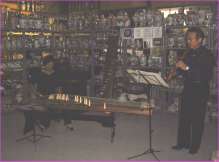
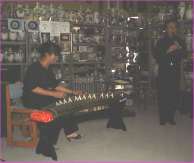
| 17弦の琴と8尺の尺八 Koto of 17 bowstrings, and Vertical bamboo flute of 8 shaku * shaku is unit (ab.30cm for 1 shaku) |
13弦の琴と6尺の尺八 (高音になる) Koto of 13 bowstrings, and Vertical bamboo flute of 6 shaku (high pitched sound) |
 |
 |
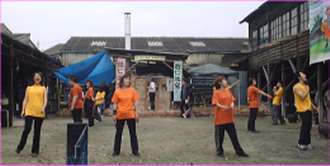
| ダンス Dance |
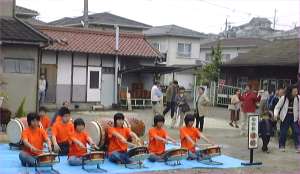
和太鼓Japanese style drum performance 《すばらしい演奏でしたsplendid performance》 |
 |
 |
| <下記は工場内の掲示物より引用> ここは窯場です。 ここには、かつて、灯油を用いた大きなトンネル窯がありました。 大量の白生地が自動的に焼成帯に送り込まれ、焼かれていました。今ここに あるのは、1979年から2001年まで24年間にわたって使われてきたシャトル窯 (ガス窯)です。 シャトルとは、スペースシャトルという言葉にもあるように、 言ったり来たりするという意味で、 製品を載せた台車を出し入れすることです。 2001年の秋にここで行われた「窯工房コンサート」の時、会社の窯焚き職人の 石丸実さんによって火入れのデモンストレーションが行われたのを最後に役割 を終えました。 この窯場で2001年10月に行われたコンサートが現在の「芸術家横丁」誕生 のきっかけになりました。 <The following is quoted from the notice board in a factory. > This place is ceramic making factory. In the past, the big tunnel kiln which used lamp oil existed here. A lot of white body was automatically sent into the firing zone, and was fired. Here is the shuttle kiln (gas kiln) used over 24 years from 1979 to 2001 Finally shuttle kiln finished the role by making the demonstration of kindling the last. This demonstration was performed by the kindling craftsman of the company at the time of the "kiln studio concert" held here in autumn of 2001. The concert held at this kiln place in October, 2001 has brought about the present "Side Alley of Artist" |
| <下記は工場内の掲示物
-- JR東海会長 須田寛氏の著書 「観光の新分野・産業観光」より--から一部引用> 「観光」とは、中国の古典に語源を発する「国の光を観(しめ)す」に由来する。 ここでいう「国」とは、必ずしも行政上の「国」にこだわらず、「地域」「地方」を 指すものと考えてよい。 また「光」とは、その地域・地方の持つ「好ましい特色」を 意味する。平たく言えば、ある土地の持つ価値ある特色、よいところ、よいもので、 他地域の人に「見せるに足りる」もの、と考えたい。 問題は、それらに観光資源としての意味づけが行われ、その情報を発信し、 見に来る人を受け入れるに足りる体制を作り出せるかどうか、である。 ・・・まさにその意味で「常在観光」(人の住む所、常に観光在り)と言えよう。 ・・・ふだん何気なく接していた自分たちの住む町の中から見どころを見つけ出す という一種の草の根運動・・・。各地でこのような「常在観光」へのきざしが少しずつ 見られるのは心強い。 <The following is quoted from the notice board in a factory - JR Central chairman Mr. Hiroshi Suda's work , "industrial sightseeing which is the new field of sightseeing " > Sightseeing" originates in a meaning that "Showing the light of country" which comprehension comes from Chinese classic. A country here may not necessarily adhere to the "country" on administration, but point out an "area" or a "district". "Light" means the "desirable special feature" which its area or district has. Frankly speaking, it will be understood that a country is special feature of certain land and a thing which is worth showing the other areas or districts. An important thing is that a meaning as tourist resource can be attached to the "Light" and a system can be made to send an information of the meaning, and accept visitors. - - - in that sense, where people live, tourist always will exist. - - - a kind of grass-roots movement where local people try to find sightseeing spots in the town they live although they were unable to notice until now- - -. It is encouraging that such movement can be seen little by little in various places. |